
| Drug Name: | Dosage: | Best Price: | Where To Buy Online? |
|---|---|---|---|
| Zithromax (Azithromycin) | 250 mg, 500 mg, 1000 mg | $52.00 | Order Now |
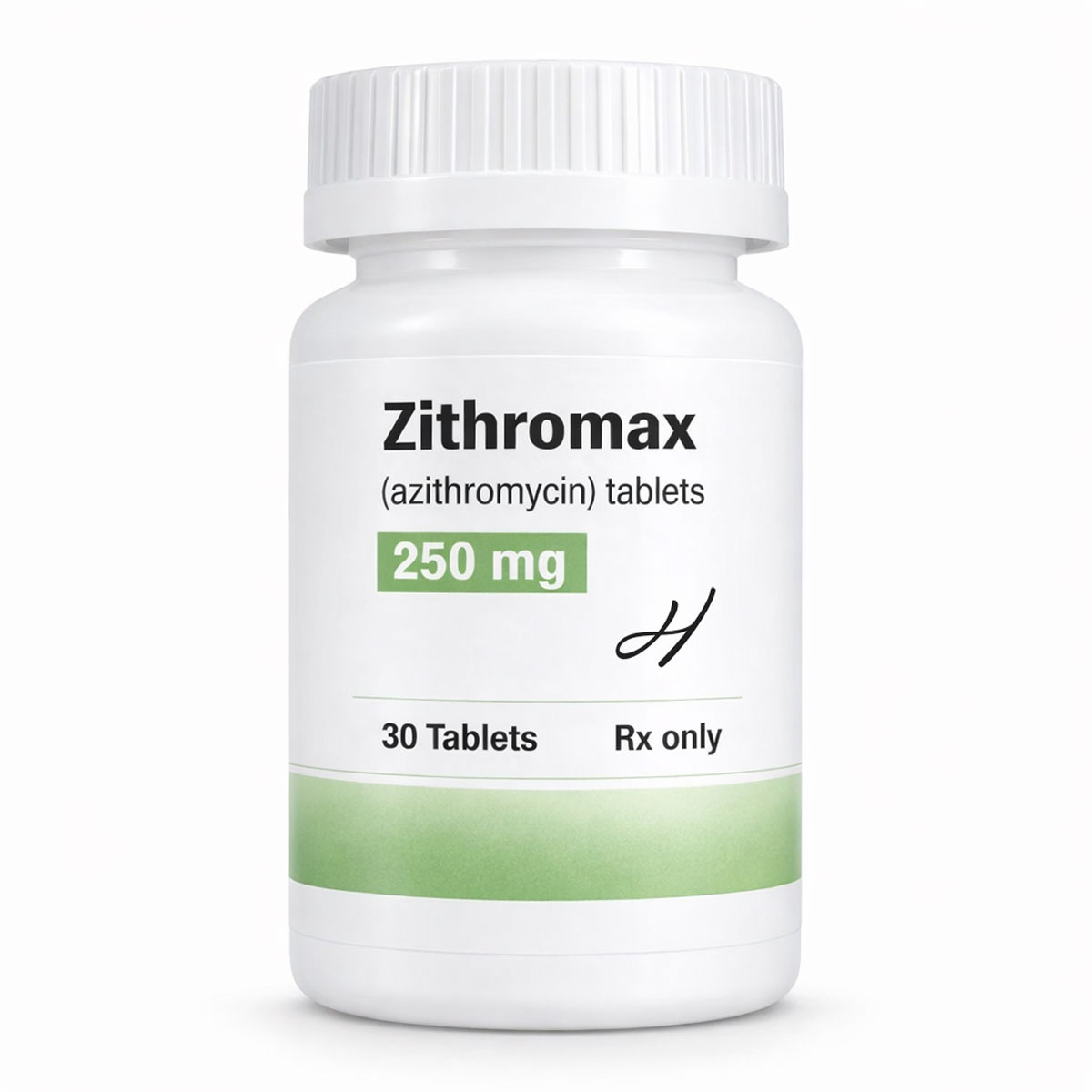 Zithromax (Azithromycin) is a broad-spectrum macrolide antibiotic that works by inhibiting bacterial protein synthesis, thereby preventing the growth and spread of susceptible bacteria. Unlike anti-inflammatory or immunosuppressive medications, Zithromax directly targets bacterial infections, helping the body eliminate pathogenic organisms efficiently. It is used in a wide range of bacterial infections, including respiratory tract infections, skin and soft tissue infections, certain sexually transmitted infections, and selected ocular infections such as chlamydial conjunctivitis and bacterial inflammatory conditions of the eye and surrounding tissues. Its convenient dosing schedule and favorable tolerability profile make it a commonly prescribed option for short-course antimicrobial therapy.
Mechanism of Action
- Inhibition of Bacterial Protein Synthesis: Zithromax (Azithromycin) binds to the 50S subunit of the bacterial ribosome, blocking translocation of peptides and preventing protein synthesis. This action inhibits bacterial growth and replication.
- Bacteriostatic Activity with Bactericidal Potential: At standard concentrations, azithromycin primarily acts as a bacteriostatic agent. At higher concentrations or against highly susceptible organisms, it may exhibit bactericidal effects.
- Broad Tissue Penetration: Azithromycin accumulates in infected tissues and within phagocytic cells, allowing targeted delivery to sites of infection, including respiratory tissues, skin, and ocular structures.
- Prolonged Half-Life: Due to its extended tissue half-life, Zithromax maintains therapeutic concentrations for several days after the last dose, supporting short-course treatment regimens.
By directly targeting susceptible bacteria and maintaining sustained tissue levels, Zithromax provides effective antimicrobial coverage across a wide range of systemic and selected ocular infections.
What Conditions Does Zithromax Treat
Zithromax (Azithromycin) is prescribed for a broad range of bacterial infections caused by susceptible organisms. By inhibiting bacterial protein synthesis, it helps eliminate infection, reduce inflammatory response triggered by pathogens, and prevent complications associated with untreated bacterial disease.
Ophthalmic Infections
Zithromax is used in certain ocular and periocular infections where bacterial involvement is confirmed or strongly suspected.
- Chlamydial Conjunctivitis – Azithromycin is effective against Chlamydia trachomatis, making it a key systemic treatment option for chlamydial eye infections.
- Preseptal Cellulitis – In mild to moderate cases caused by susceptible bacteria, azithromycin may be considered as part of antimicrobial therapy.
- Selected Orbital Infections – In specific clinical scenarios, it may be included in combination regimens targeting orbital bacterial pathogens.
- Bacterial Ocular Inflammation Requiring Short-Course Therapy – Its prolonged tissue half-life supports convenient short-duration treatment while maintaining therapeutic levels.
Respiratory Tract Infections
Azithromycin is commonly prescribed for upper and lower respiratory tract infections.
- Acute Bacterial Sinusitis – Helps reduce bacterial load and associated inflammation.
- Community-Acquired Pneumonia – Effective against typical and certain atypical pathogens.
- Bronchitis – Used in selected bacterial exacerbations.
- Pharyngitis and Tonsillitis – May serve as an alternative in patients with specific antibiotic considerations.
Skin and Soft Tissue Infections
- Cellulitis – Treats susceptible bacterial infections of the skin and subcutaneous tissues.
- Impetigo – Helps eradicate common causative organisms.
Genitourinary and Sexually Transmitted Infections
- Chlamydial Infections – Frequently used as first-line therapy for uncomplicated chlamydial infections.
- Certain Urethritis or Cervicitis Cases – Prescribed when caused by susceptible bacteria.
Other Indications
- Traveler’s Diarrhea – Effective against specific bacterial causes.
- Mycobacterial Infections – Used as part of combination regimens in selected cases.
With its broad antimicrobial spectrum, strong tissue penetration, and convenient dosing schedule, Zithromax remains a widely utilized option for systemic and selected ocular bacterial infections.
How to Use
Proper use of Zithromax (Azithromycin) supports effective eradication of bacterial infection while helping reduce the risk of resistance and recurrence. The dosage and duration depend on the type and severity of infection, patient age, and clinical setting.
Dosage and Administration
- Short-Course Therapy: Zithromax is commonly prescribed as a 3 to 5 day course due to its prolonged tissue half-life, which allows sustained antibacterial activity even after the last dose.
- Once-Daily Dosing: In most indications, azithromycin is taken once daily, improving adherence and simplifying treatment regimens.
- Loading Dose Strategy: Some infections require a higher initial dose on the first day followed by lower daily doses to rapidly achieve therapeutic tissue concentrations.
- Oral Administration: Tablets or suspension should be taken as directed, with or without food depending on formulation, and the full prescribed course should be completed even if symptoms improve early.
Completing the recommended course ensures adequate bacterial eradication and supports sustained clinical recovery.
Use in Ophthalmic Infections
When used for ocular or periocular infections, Zithromax is typically administered systemically to target underlying bacterial causes that may not respond adequately to topical therapy alone.
- Chlamydial Eye Infections: A single-dose or short-course regimen may be prescribed for confirmed chlamydial conjunctivitis, depending on clinical guidelines.
- Preseptal Cellulitis: Oral azithromycin may be considered in selected mild cases involving susceptible organisms.
- Adjunctive Therapy in Orbital Infections: In more complex infections, azithromycin may be included as part of combination antimicrobial treatment.
- Monitoring Response: Clinical improvement, including reduction of redness, swelling, discharge, and discomfort, is typically assessed within several days of initiating therapy.
Appropriate antibiotic selection and adherence to the prescribed dosing schedule help achieve effective resolution of ocular and systemic bacterial infections.
What to Know Before Starting Zithromax
Before initiating treatment with Zithromax (Azithromycin), several factors should be considered to ensure appropriate antibiotic selection and reduce the risk of complications or reduced effectiveness.
Key Considerations
- Bacterial vs Viral Infection: Zithromax is effective only against susceptible bacterial infections. It does not treat viral illnesses such as the common cold or influenza, and inappropriate use may contribute to antibiotic resistance.
- Allergy to Macrolide Antibiotics: Patients with a history of hypersensitivity to azithromycin, erythromycin, or other macrolides should avoid its use.
- Cardiac Considerations: Azithromycin may affect cardiac conduction and has been associated with QT interval prolongation in susceptible individuals. Caution is advised in patients with known arrhythmias or electrolyte imbalances.
- Liver Function: Since azithromycin is metabolized in the liver, patients with significant hepatic impairment should be evaluated carefully before treatment.
- Drug Interactions: Certain medications, including antiarrhythmics and other agents affecting cardiac rhythm, may interact with azithromycin. A review of current medications helps reduce interaction risks.
- Gastrointestinal Sensitivity: Mild gastrointestinal symptoms such as nausea or abdominal discomfort may occur, and patients should be informed about possible temporary digestive effects.
Evaluating medical history, concurrent medications, and infection type supports appropriate and effective use of Zithromax in systemic and selected ocular bacterial conditions.
Possible Side Effects
Zithromax (Azithromycin) is generally well tolerated, but like all antibiotics, it may cause side effects. Most reactions are mild and temporary, though certain adverse effects require medical attention. The likelihood of side effects depends on individual sensitivity, dosage, and overall health status.
Common Side Effects
- Gastrointestinal Symptoms – Nausea, diarrhea, abdominal discomfort, and vomiting are the most frequently reported effects. These symptoms are usually mild and resolve after completion of therapy.
- Headache – Some patients may experience mild headaches during treatment.
- Fatigue – Temporary tiredness or general weakness may occur in some individuals.
Less Common Side Effects
- Dizziness – Occasional lightheadedness may develop during therapy.
- Skin Reactions – Mild rash or itching may occur in sensitive individuals.
- Transient Liver Enzyme Elevation – Laboratory testing may show temporary changes in liver function markers.
- Ocular Discomfort – When used in the context of eye infections, symptoms such as mild irritation or redness may be related to the underlying condition rather than the medication itself.
Serious Side Effects
- Allergic Reactions – Rarely, severe hypersensitivity reactions such as swelling, difficulty breathing, or extensive rash may occur.
- Cardiac Rhythm Disturbances – Azithromycin has been associated with QT interval prolongation in susceptible individuals, which may increase the risk of arrhythmias.
- Severe Diarrhea – Persistent or severe diarrhea may indicate antibiotic-associated colitis and requires evaluation.
- Liver Injury – Although uncommon, significant hepatic dysfunction has been reported in rare cases.
Managing Side Effects
Completing the prescribed course as directed and reporting persistent or severe symptoms supports safe treatment. Monitoring is particularly relevant in patients with cardiac risk factors or underlying liver conditions. Prompt medical evaluation is advised if unusual reactions develop during therapy.
How Long Does It Take for Zithromax to Work?
Zithromax (Azithromycin) begins acting against susceptible bacteria soon after the first dose, but the timing of noticeable symptom improvement depends on the type and severity of infection.
Onset and Duration of Action
- Initial Antibacterial Activity: Azithromycin reaches therapeutic concentrations within hours after administration, beginning to inhibit bacterial protein synthesis early in the treatment course.
- Symptom Improvement: Many patients notice clinical improvement within 24 to 72 hours, including reduced fever, decreased pain, or diminished discharge in respiratory, skin, or ocular infections.
- Sustained Tissue Levels: Due to its long half-life and strong tissue penetration, azithromycin continues exerting antibacterial effects for several days after the final dose.
- Importance of Completing Therapy: Even if symptoms improve quickly, completing the prescribed course helps ensure full eradication of infection and reduces the risk of recurrence.
The extended duration of action supports convenient short-course regimens while maintaining effective antimicrobial coverage.
How to Choose the Right Treatment Option with Zithromax
Selection of Zithromax depends on confirmed or strongly suspected bacterial etiology, local resistance patterns, infection severity, and patient-specific considerations such as comorbidities and medication tolerance.
Monotherapy vs. Combination Therapy
- Short-Course Monotherapy: For many uncomplicated bacterial infections, azithromycin is effective as a single-agent therapy due to its broad spectrum and prolonged tissue activity.
- Combination in Severe Infections: In more serious conditions such as community-acquired pneumonia or certain orbital infections, azithromycin may be combined with other antibiotics to broaden antimicrobial coverage.
- Alternative for Specific Patients: Zithromax may be selected when other antibiotics are not tolerated or when simplified once-daily dosing improves adherence.
- Use in Ophthalmic Infections: In chlamydial conjunctivitis or selected periocular infections, systemic azithromycin may be incorporated into treatment plans targeting the underlying bacterial source.
- Consideration of Resistance Patterns: Local antimicrobial susceptibility trends and clinical guidelines influence whether azithromycin is the most appropriate option.
Appropriate antibiotic selection, individualized dosing, and consideration of infection type ensure effective integration of Zithromax into systemic and selected ocular infection management.
FAQ
Zithromax may interact with certain medications, including antiarrhythmic drugs, anticoagulants, and other agents that affect cardiac rhythm. Informing the prescribing clinician about all current medications helps reduce the risk of interactions and supports safe therapy.
Zithromax tablets should be stored at room temperature, protected from moisture and excessive heat. Oral suspension should be stored according to the specific product instructions and kept out of reach of children.
Even if symptoms improve quickly, the full prescribed course should be completed to ensure effective eradication of bacteria and to reduce the risk of recurrence or antibiotic resistance.
Azithromycin may be prescribed during pregnancy or breastfeeding when clinically appropriate. Treatment decisions are based on infection severity, potential benefits, and available alternatives.
Zithromax may be used in certain ocular infections such as chlamydial conjunctivitis or selected periocular bacterial infections. Systemic therapy is chosen when the infection involves deeper tissues or when topical treatment alone is insufficient.
Zithromax (Azithromycin) is a macrolide antibiotic used to treat a wide range of bacterial infections, including certain ocular and periocular infections. By inhibiting bacterial protein synthesis, it helps eliminate pathogenic organisms and reduce infection-related inflammation that may affect sensitive tissues.
In patients with chlamydial conjunctivitis, preseptal cellulitis, or selected orbital infections, Zithromax supports effective bacterial eradication and helps limit the risk of complications that could impact ocular structures and visual function.