
| Drug Name: | Dosage: | Best Price: | Where To Buy Online? |
|---|---|---|---|
| Valtrex (Valacyclovir) | 500 mg, 1000 mg | $107.90 | Order Now |
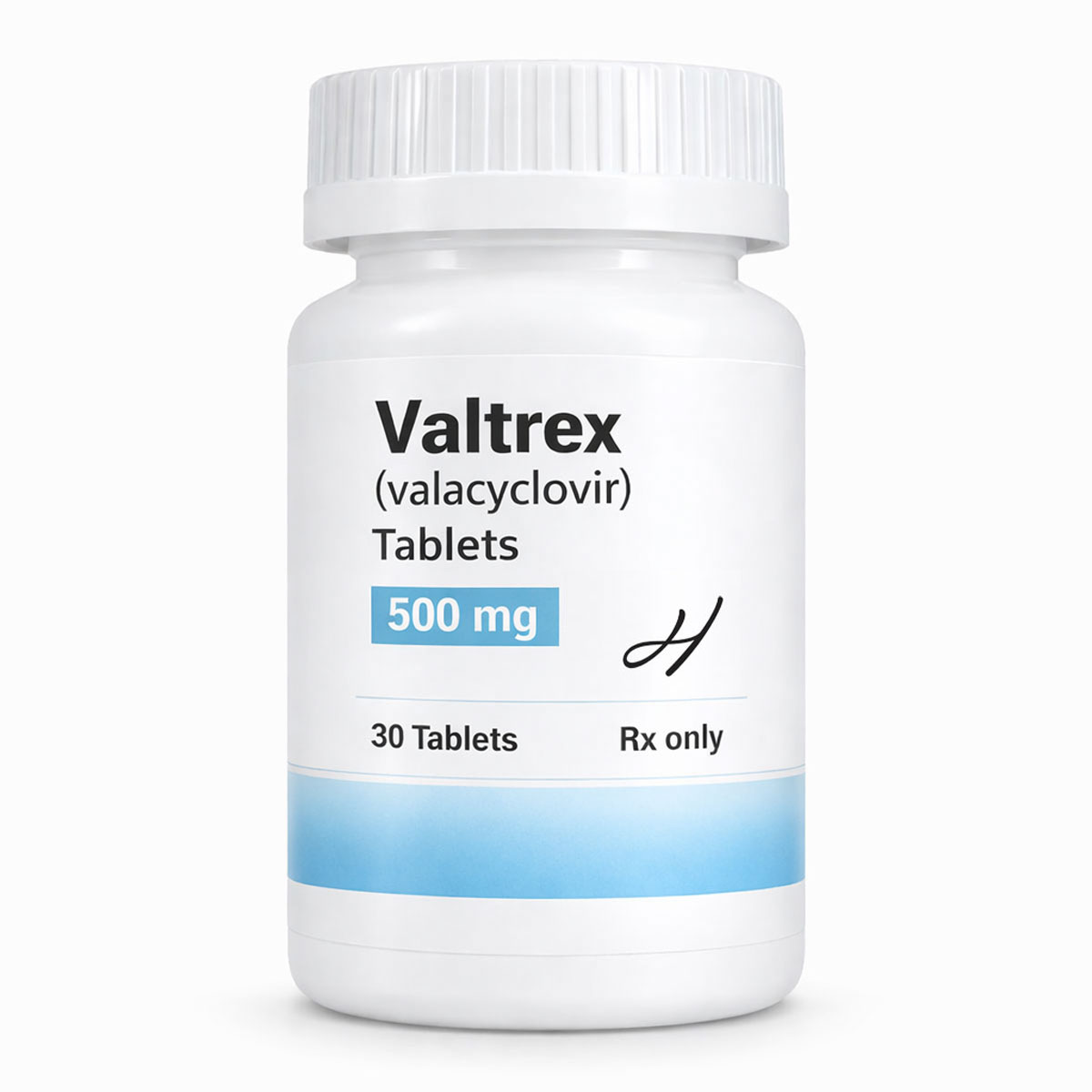 Valtrex (valacyclovir) is an antiviral medication that works systemically to inhibit the replication of herpes viruses. After oral administration, valacyclovir is converted into acyclovir, which interferes with viral DNA synthesis, limiting the spread of infection and reducing viral activity in affected tissues. Valtrex is used in a variety of herpes virus infections, including herpes simplex and herpes zoster. In ophthalmic practice, it plays an important role in the management of herpetic keratitis, herpetic uveitis, and shingles involving the eye, helping reduce viral replication, control inflammation associated with infection, and lower the risk of vision-threatening complications.
Mechanism of Action
- Conversion to Active Form: Valtrex (valacyclovir) is a prodrug that is rapidly converted in the body to acyclovir after oral administration. This active compound is responsible for its antiviral activity.
- Inhibition of Viral DNA Synthesis: Acyclovir selectively targets virus-infected cells, where it is phosphorylated and incorporated into viral DNA. This process blocks viral DNA polymerase and terminates further viral replication.
- Selective Activity Against Herpes Viruses: Valtrex is active against herpes simplex virus type 1 and 2 (HSV-1, HSV-2) and varicella-zoster virus (VZV), limiting viral spread and reducing the severity and duration of outbreaks.
- Systemic Antiviral Effect: As an oral antiviral medication, Valtrex distributes throughout the body, including ocular tissues, making it effective in managing both systemic and eye-related herpes infections such as herpetic keratitis, herpetic uveitis, and herpes zoster ophthalmicus.
By suppressing viral replication at the molecular level, Valtrex helps control active infection, reduce recurrence rates, and lower the risk of complications affecting the skin, nervous system, and eyes.
What Conditions Does Valtrex Treat
Valtrex (valacyclovir) is prescribed for the treatment of infections caused by herpes viruses. By inhibiting viral replication, it reduces the severity and duration of outbreaks, decreases viral shedding, and lowers the risk of complications. Valtrex is used in both acute infections and long-term suppressive therapy to prevent recurrences.
Ophthalmic Viral Infections
Herpes viruses can affect ocular tissues and lead to recurrent or vision-threatening complications. Systemic antiviral therapy plays an important role in controlling viral activity in and around the eye.
- Herpetic Keratitis – Valtrex helps suppress herpes simplex virus replication in the cornea, reducing epithelial damage, stromal inflammation, and the risk of corneal scarring.
- Herpetic Uveitis – In cases where herpes viruses trigger intraocular inflammation, antiviral therapy limits viral activity and supports control of recurrent inflammatory episodes.
- Herpes Zoster Ophthalmicus – When varicella-zoster virus affects the ophthalmic branch of the trigeminal nerve, Valtrex reduces viral replication, shortens disease duration, and lowers the likelihood of ocular complications.
Timely antiviral treatment helps reduce the risk of long-term structural damage and visual impairment associated with ocular herpes infections.
Herpes Simplex Virus Infections
Valtrex is widely used in the management of herpes simplex virus type 1 and type 2 infections.
- Oral Herpes (Cold Sores) – Short-course therapy can reduce symptom duration and accelerate lesion healing.
- Genital Herpes – Valtrex is effective for treating initial episodes, recurrent outbreaks, and for long-term suppressive therapy to reduce recurrence frequency and transmission risk.
Herpes Zoster (Shingles)
Reactivation of varicella-zoster virus leads to shingles, a painful vesicular rash that may involve the skin and nerves.
- Acute Shingles – Early treatment with Valtrex reduces viral replication, shortens rash duration, and may decrease the severity of acute pain.
- Prevention of Postherpetic Neuralgia – Prompt antiviral therapy may reduce the risk or duration of persistent nerve pain following shingles.
Suppressive Therapy
- Prevention of Recurrent HSV Infections – Long-term daily therapy can significantly reduce the frequency of herpes outbreaks in patients with frequent recurrences.
- Reduction of Viral Transmission – In individuals with genital herpes, suppressive therapy lowers the likelihood of transmitting the virus to partners.
By targeting viral DNA replication, Valtrex provides effective control of herpes virus infections affecting the skin, mucous membranes, nervous system, and ocular tissues.
How to Use
Proper use of Valtrex (valacyclovir) is essential for effective control of herpes virus infections. Dosage and duration depend on the type of infection, its severity, and whether the goal is acute treatment or long-term suppression.
Dosage and Administration
- Condition-Specific Dosing: The prescribed dose varies depending on whether Valtrex is used for herpes simplex, shingles, or suppressive therapy. Acute infections typically require higher short-term dosing, while prevention of recurrences involves lower daily doses.
- Early Initiation: Treatment is most effective when started at the first signs of symptoms, such as tingling, burning, rash, or eye discomfort associated with herpetic infection.
- Oral Administration: Tablets are taken by mouth with water and can be taken with or without food. Adequate hydration is recommended during therapy.
- Adherence to Prescribed Course: Completing the full course as directed helps ensure optimal viral suppression and reduces the risk of recurrence or complications.
Following the prescribed regimen supports consistent antiviral activity and improves clinical outcomes.
Use in Ophthalmic Herpes Infections
In eye-related herpes infections, systemic antiviral therapy is often used to limit viral replication and reduce the risk of recurrent inflammation affecting ocular tissues.
- Herpetic Keratitis: Valtrex may be prescribed to control active corneal infection and reduce the likelihood of recurrent episodes that can lead to corneal scarring.
- Herpetic Uveitis: In cases of virus-associated intraocular inflammation, systemic antiviral therapy helps decrease viral activity and supports stabilization of inflammatory processes.
- Herpes Zoster with Ocular Involvement: Prompt initiation of Valtrex in shingles affecting the eye can reduce viral spread, shorten disease duration, and lower the risk of long-term ocular complications.
- Combination Therapy: In some cases, Valtrex is used alongside topical antiviral or anti-inflammatory treatments to achieve comprehensive control of ocular disease.
Timely and consistent antiviral therapy helps reduce recurrence rates and protect ocular structures from virus-related damage.
What to Know Before Starting Valtrex
Before initiating treatment with Valtrex (valacyclovir), several clinical factors should be considered to ensure safe and effective antiviral therapy.
Key Considerations
- Kidney Function: Valacyclovir is eliminated primarily through the kidneys. Patients with reduced renal function may require dose adjustment to prevent drug accumulation and adverse effects.
- Hydration Status: Adequate fluid intake is recommended during treatment, as proper hydration supports renal clearance of the medication.
- Timing of Treatment: Antiviral therapy is most effective when started early in the course of infection, ideally at the first signs or symptoms of a herpes outbreak.
- Recurrent Ocular Herpes: Patients with a history of herpetic keratitis or herpetic uveitis may require preventive or extended antiviral therapy to reduce recurrence risk and protect ocular structures.
- Immune Status: Individuals with weakened immune systems may require modified dosing regimens and closer monitoring during therapy.
- Drug Interactions: Concomitant use of other medications that affect kidney function should be reviewed to reduce the risk of adverse reactions.
Assessment of medical history, renal function, and infection stage helps tailor antiviral therapy and improve clinical outcomes.
Possible Side Effects
Valtrex (valacyclovir) is generally well tolerated, but like any antiviral medication, it may cause side effects in some individuals. The likelihood and severity depend on dosage, duration of treatment, kidney function, and overall health status.
Common Side Effects
- Headache – One of the most frequently reported effects, usually mild and transient.
- Nausea – Some patients may experience mild gastrointestinal discomfort during treatment.
- Abdominal Pain – Occasional stomach discomfort or digestive upset may occur.
- Fatigue – A general feeling of tiredness has been reported in some cases.
Less Common Side Effects
- Dizziness – Lightheadedness may occur, particularly at higher doses.
- Skin Reactions – Rash or mild itching may develop in sensitive individuals.
- Vomiting or Diarrhea – Gastrointestinal symptoms are uncommon but possible.
- Transient Visual or Neurological Symptoms – Rarely, confusion or visual disturbances have been reported, mainly in elderly patients or those with impaired renal function.
Serious Side Effects
- Kidney Impairment – High doses or inadequate hydration may increase the risk of renal dysfunction, particularly in patients with pre-existing kidney disease.
- Neurological Effects – Agitation, hallucinations, or altered mental status are rare and more likely in patients with renal insufficiency.
- Severe Allergic Reactions – Although uncommon, hypersensitivity reactions such as swelling, rash, or difficulty breathing require immediate medical attention.
Managing Side Effects
Maintaining adequate hydration, adjusting dosage in patients with reduced kidney function, and adhering to the prescribed regimen help minimize adverse effects. Any unusual neurological symptoms, persistent gastrointestinal complaints, or signs of allergic reaction should be promptly evaluated.
How Long Does It Take for Valtrex to Work?
Valtrex begins working soon after administration by inhibiting viral replication, but the time to noticeable improvement depends on the type and severity of infection.
Onset and Duration of Action
- Early Viral Suppression: Antiviral activity begins within hours after the first dose, limiting further viral replication.
- Symptom Improvement: In herpes simplex outbreaks, symptom relief and lesion healing often begin within 1 to 3 days when treatment is started early.
- Shingles Recovery: In herpes zoster, early initiation can shorten the duration of rash and reduce acute pain intensity.
- Ophthalmic Infections: In herpetic keratitis or herpes zoster involving the eye, timely treatment helps reduce viral load and lowers the risk of inflammatory complications affecting ocular tissues.
- Suppressive Therapy: During long-term use, Valtrex continuously suppresses viral reactivation, reducing recurrence frequency over time.
Early initiation and consistent dosing enhance antiviral effectiveness and reduce the likelihood of complications associated with herpes virus infections.
How to Choose the Right Treatment Option with Valtrex
When prescribing Valtrex (valacyclovir), treatment decisions are guided by the type of herpes virus infection, its severity, recurrence frequency, and the patient’s overall health status. The objective is to achieve effective viral suppression while tailoring the dosing regimen to the clinical scenario.
Acute Treatment vs. Suppressive Therapy
- Short-Term Therapy for Initial or Recurrent Outbreaks: In herpes simplex infections or shingles, Valtrex is typically prescribed for a defined course to reduce symptom duration, accelerate lesion healing, and limit viral shedding.
- Early Intervention Strategy: Starting treatment at the first signs of tingling, rash, or eye discomfort associated with herpetic infection improves antiviral effectiveness and reduces complication risk.
- Long-Term Suppressive Therapy: In patients with frequent recurrences of herpes simplex, daily suppressive dosing may significantly decrease outbreak frequency and lower transmission risk.
- Management of Ophthalmic Herpes: In herpetic keratitis, herpetic uveitis, or herpes zoster with ocular involvement, systemic antiviral therapy may be combined with topical treatments to protect ocular tissues and reduce recurrence.
- Dose Adjustment in Special Populations: Patients with impaired renal function or weakened immune systems may require individualized dosing and closer monitoring.
Adapting the treatment approach to infection type and patient-specific factors allows Valtrex to be effectively integrated into both short-term and preventive antiviral strategies.
FAQ
Valtrex (valacyclovir) may interact with medications that affect kidney function or are eliminated through the kidneys. Caution is advised when used with certain antivirals, immunosuppressants, or nephrotoxic drugs. Dose adjustments may be required in specific situations.
Valtrex tablets should be stored at room temperature, protected from moisture and excessive heat. The medication should remain in its original packaging and be kept out of reach of children.
Even if symptoms begin to resolve, the full prescribed course should be completed to ensure adequate viral suppression and reduce the risk of recurrence or complications.
Valtrex may be considered during pregnancy or breastfeeding when clinically appropriate. Treatment decisions are individualized, taking into account the severity of infection and potential benefits and risks.
In patients with recurrent herpetic keratitis or other ocular herpes infections, long-term suppressive therapy with Valtrex may reduce recurrence frequency and help protect ocular tissues from repeated inflammatory damage.
Valtrex (valacyclovir) is a systemic antiviral medication used in ophthalmology to manage herpes virus infections affecting ocular tissues. By inhibiting viral DNA replication, it helps limit viral spread, reduce active infection, and decrease the risk of inflammation-related damage that may compromise vision.
In patients with herpetic keratitis, herpetic uveitis, or herpes zoster involving the eye, Valtrex supports effective viral suppression, helps control recurrent episodes, and reduces the likelihood of long-term structural complications affecting ocular health.