
| Drug Name: | Dosage: | Best Price: | Where To Buy Online? |
|---|---|---|---|
| Prednisone | 5 mg, 10 mg, 20 mg, 50 mg | $58.32 | Order Now |
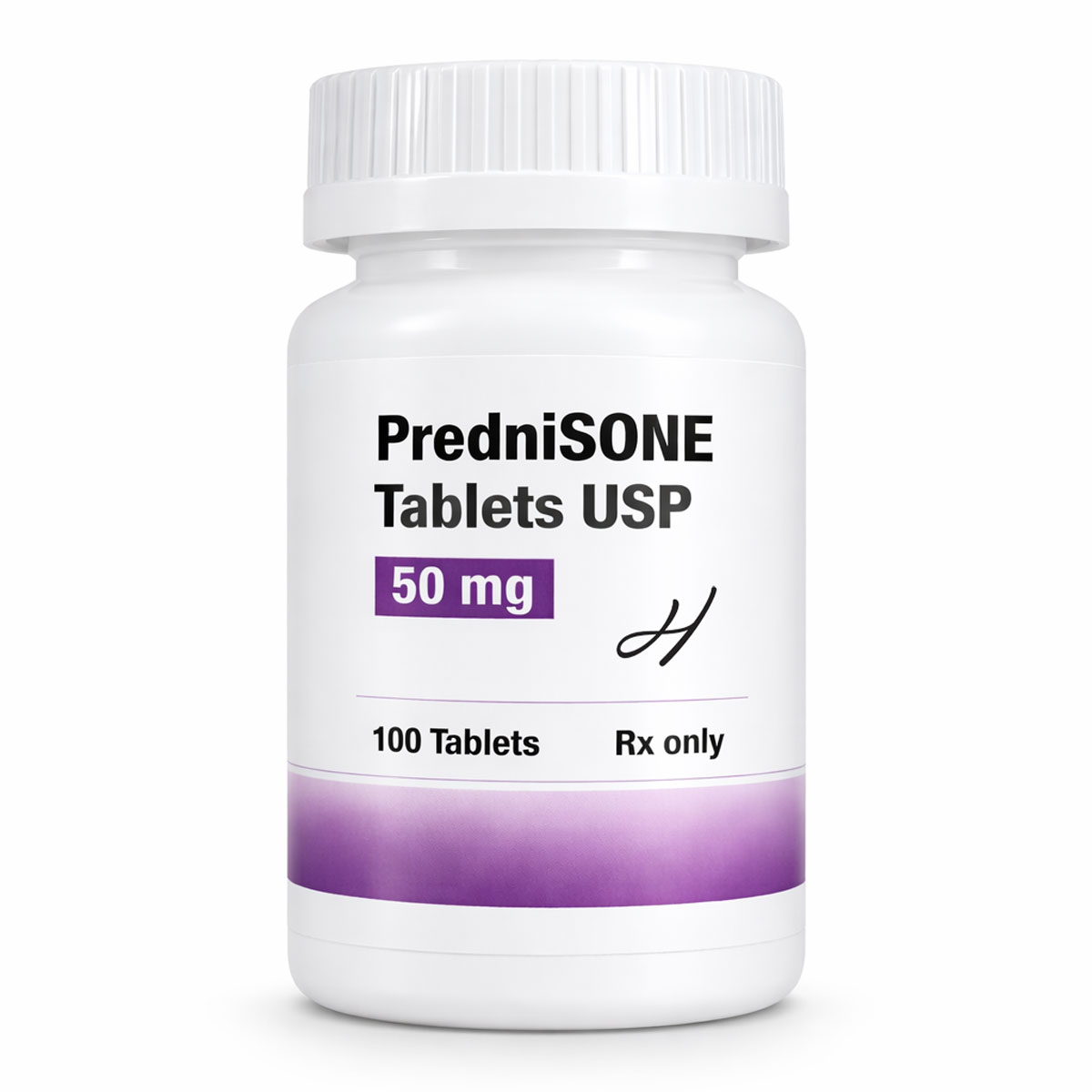 Prednison is a systemic glucocorticoid that exerts strong anti-inflammatory and immunosuppressive effects. Unlike medications that act locally to influence fluid dynamics in specific tissues, Prednison works throughout the body by suppressing inflammatory responses, reducing immune system activity, and decreasing tissue swelling. It is used in a wide range of conditions, including autoimmune disorders, allergic reactions, inflammatory diseases, and certain chronic conditions where controlling excessive immune activity is necessary.
Mechanism of Action
- Anti-Inflammatory Activity: Prednison is converted in the liver to its active form, prednisolone, which binds to intracellular glucocorticoid receptors. This interaction regulates gene expression and suppresses the production of pro-inflammatory cytokines, prostaglandins, and other mediators of inflammation.
- Immunosuppressive Effect: Prednison decreases the activity and proliferation of immune cells, including lymphocytes and macrophages, thereby reducing abnormal or excessive immune responses seen in autoimmune and inflammatory conditions.
- Reduction of Edema and Tissue Reaction: By stabilizing cellular membranes and decreasing capillary permeability, Prednison helps limit fluid accumulation and tissue swelling associated with inflammatory processes.
- Systemic and Sustained Action: As a systemic corticosteroid, Prednison exerts its effects throughout the body. Its duration of action allows for effective symptom control with appropriately scheduled dosing, depending on the condition being treated.
Through modulation of inflammatory and immune pathways, Prednison provides effective control of immune-mediated and inflammatory disorders.
What Conditions Does Prednison Treat
Prednison is prescribed for a wide range of inflammatory, allergic, and autoimmune conditions in which excessive immune activity leads to tissue damage and persistent symptoms. By suppressing inflammatory mediators and modulating immune responses, Prednison helps control acute flare-ups and chronic immune-mediated diseases, preventing complications and improving functional outcomes.
Ophthalmic Inflammatory Conditions
Prednison is also used in ophthalmology when inflammation threatens ocular structures and visual function. Due to its systemic anti-inflammatory and immunosuppressive effects, it is prescribed in moderate to severe cases where local therapy alone is insufficient.
- Uveitis – Prednison suppresses intraocular inflammation affecting the iris, ciliary body, or choroid, reducing pain, photophobia, and the risk of vision-threatening complications.
- Severe Ocular Inflammation – In pronounced inflammatory reactions involving deeper eye structures, systemic therapy helps rapidly control tissue damage and limit scarring.
- Autoimmune Eye Disorders – In immune-mediated conditions affecting ocular tissues, Prednison decreases immune cell activation and prevents progressive structural injury.
- Orbital Inflammation – Inflammatory conditions of the orbit, including idiopathic orbital inflammatory syndrome, may require systemic corticosteroid therapy to reduce swelling, pain, and compression of ocular structures.
Through systemic control of inflammatory and autoimmune processes, Prednison plays a key role in managing vision-threatening ocular diseases.
Autoimmune and Rheumatologic Disorders
Autoimmune diseases occur when the immune system mistakenly attacks the body’s own tissues, leading to chronic inflammation and organ damage.
- Rheumatoid Arthritis – Prednison reduces joint inflammation, pain, and stiffness, particularly during disease flares, and helps limit structural joint damage when used as part of combination therapy.
- Systemic Lupus Erythematosus (SLE) – It suppresses immune-mediated tissue injury affecting the skin, joints, kidneys, and other organs, playing a central role in managing moderate to severe disease activity.
- Vasculitis – In inflammatory disorders affecting blood vessels, Prednison decreases vascular inflammation and lowers the risk of organ ischemia and permanent damage.
- Polymyalgia Rheumatica – It provides rapid relief of muscle pain and stiffness, often leading to significant symptomatic improvement within days.
Allergic and Respiratory Conditions
Prednison is widely used in conditions driven by hypersensitivity reactions or airway inflammation.
- Severe Allergic Reactions – It reduces swelling, rash, and airway inflammation in acute allergic episodes when antihistamines alone are insufficient.
- Asthma Exacerbations – Short courses help control airway inflammation, reduce bronchial hyperreactivity, and restore normal breathing during moderate to severe attacks.
- Chronic Obstructive Pulmonary Disease (COPD) Flares – Prednison shortens recovery time and improves lung function during acute exacerbations.
- Allergic Dermatitis – It alleviates severe inflammatory skin reactions, decreasing redness, itching, and swelling.
Gastrointestinal and Renal Disorders
Inflammatory diseases of the digestive tract and kidneys often require immunosuppressive therapy to prevent long-term organ damage.
- Inflammatory Bowel Disease (Crohn’s Disease, Ulcerative Colitis) – Prednison helps induce remission by suppressing intestinal inflammation during active disease phases.
- Autoimmune Hepatitis – It reduces immune-mediated liver inflammation and supports normalization of liver enzyme levels.
- Nephrotic Syndrome – In certain forms of kidney disease, Prednison decreases protein loss in urine and reduces kidney inflammation.
Neurologic and Hematologic Conditions
Prednison is also used in selected neurologic and blood-related disorders where immune dysregulation plays a key role.
- Multiple Sclerosis Relapses – Corticosteroid therapy shortens the duration and severity of acute neurologic flare-ups.
- Immune Thrombocytopenia (ITP) – It suppresses immune destruction of platelets, helping restore safer platelet counts.
- Autoimmune Hemolytic Anemia – Prednison reduces antibody-mediated red blood cell destruction.
Other Indications
- Adrenal Insufficiency – Prednison may be used as replacement therapy when the body cannot produce adequate corticosteroids.
- Prevention of Transplant Rejection – As part of combination immunosuppressive regimens, it lowers the risk of organ rejection after transplantation.
- Certain Oncologic Conditions – Prednison is included in treatment protocols for some hematologic malignancies due to its lympholytic effects.
By targeting inflammatory and immune pathways across multiple organ systems, Prednison serves as a versatile therapeutic option in both acute and chronic disease management.
How to Use
Proper use of Prednison is essential for achieving effective control of inflammation while reducing the risk of adverse effects. Dosage and duration depend on the specific condition, its severity, and the individual patient response.
Dosage and Administration
- Individualized Dosing: Prednison is prescribed in varying doses depending on the condition being treated. Therapy may involve short-term high doses for acute inflammation or lower maintenance doses for chronic disorders.
- Once-Daily or Divided Doses: In many cases, Prednison is taken once daily, preferably in the morning to align with the body’s natural cortisol rhythm. In certain conditions, divided doses may be required.
- Gradual Dose Reduction: When therapy extends beyond a short course, the dose is typically tapered gradually rather than stopped abruptly to allow recovery of normal adrenal function.
- Oral Administration: Tablets should be taken with food to reduce gastrointestinal irritation and swallowed with water without crushing unless otherwise directed.
Adhering to the prescribed regimen and not discontinuing treatment suddenly supports stable disease control and reduces the likelihood of complications related to abrupt withdrawal.
Use in Ophthalmic Inflammatory Conditions
When prescribed for ocular inflammatory diseases, Prednison is used as systemic therapy to control moderate to severe inflammation that cannot be adequately managed with topical treatment alone. The dosing strategy depends on the severity of inflammation, risk to visual function, and underlying cause.
- Initial Anti-Inflammatory Dosing: In acute conditions such as uveitis or orbital inflammation, higher oral doses may be initiated to achieve rapid suppression of intraocular or orbital inflammatory activity.
- Short-Term High-Dose Therapy: Severe autoimmune eye involvement may require short courses of higher doses to quickly reduce tissue damage and prevent complications affecting vision.
- Gradual Tapering: Once inflammation is controlled, the dose is progressively reduced to minimize relapse while allowing physiological adrenal recovery.
- Combination Approach: In certain cases, Prednison is used alongside topical corticosteroids, immunomodulatory agents, or other systemic therapies to achieve comprehensive control of ocular inflammation.
- Monitoring During Treatment: Patients receiving systemic therapy for eye conditions are regularly monitored for clinical response and potential systemic effects, especially during prolonged treatment courses.
Careful dose adjustment and structured tapering help maintain suppression of ocular inflammation while reducing the likelihood of recurrence.
What to Know Before Starting Prednison
Before initiating treatment with Prednison, several factors should be evaluated to ensure appropriate use and to reduce the risk of adverse effects associated with systemic corticosteroid therapy.
Key Considerations
- Existing Infections: Prednison suppresses immune responses and may mask signs of infection or worsen untreated bacterial, viral, or fungal infections. Active infections should be identified and addressed prior to starting therapy.
- Metabolic Effects: Corticosteroids can increase blood glucose levels, which is particularly relevant for patients with diabetes or impaired glucose tolerance. Monitoring may be required during treatment.
- Gastrointestinal Risk: Prednison may increase the risk of gastric irritation or ulcer formation, especially when combined with nonsteroidal anti-inflammatory drugs. Taking the medication with food helps reduce irritation.
- Bone Health: Long-term use is associated with decreased bone mineral density and increased fracture risk. Preventive strategies may be considered in patients requiring prolonged therapy.
- Adrenal Suppression: Extended treatment can suppress natural cortisol production. Abrupt discontinuation after prolonged use may lead to withdrawal symptoms or adrenal insufficiency, which is why gradual tapering is required.
- Psychological Effects: Mood changes, sleep disturbances, or behavioral effects may occur, particularly at higher doses.
Careful evaluation of medical history, current medications, and individual risk factors helps optimize treatment safety and effectiveness.
Possible Side Effects
Prednison is effective in controlling inflammation and immune-mediated conditions, but as a systemic corticosteroid it may cause a range of side effects, particularly with higher doses or prolonged use. The likelihood and severity depend on dose, duration of therapy, and individual patient factors.
Common Side Effects
- Increased Appetite and Weight Gain – Fluid retention and changes in metabolism may lead to weight gain, especially during longer treatment courses.
- Mood Changes – Patients may experience irritability, mood swings, anxiety, or sleep disturbances.
- Elevated Blood Glucose – Prednison can raise blood sugar levels, which may require closer monitoring in patients with diabetes.
- Gastrointestinal Discomfort – Stomach irritation, nausea, or indigestion may occur, particularly if taken without food.
Less Common Side Effects
- Hypertension – Fluid and sodium retention may contribute to increased blood pressure.
- Skin Changes – Thinning of the skin, easy bruising, acne, or delayed wound healing can develop with continued use.
- Muscle Weakness – Prolonged therapy may lead to muscle wasting or weakness.
- Menstrual Irregularities – Hormonal effects may alter menstrual cycles in some individuals.
Serious Side Effects
- Osteoporosis – Long-term use can decrease bone density and increase fracture risk.
- Adrenal Suppression – The body’s natural cortisol production may be reduced, especially after extended therapy or abrupt discontinuation.
- Increased Susceptibility to Infections – Immune suppression may raise the risk of bacterial, viral, or fungal infections.
- Peptic Ulcers – There is an increased risk of gastrointestinal ulceration, particularly when combined with certain other medications.
- Ocular Effects – Prolonged use may increase the risk of cataracts or elevated intraocular pressure.
Managing Side Effects
Strategies to reduce potential adverse effects include using the lowest effective dose, limiting treatment duration when possible, gradual dose tapering after extended therapy, and regular monitoring of blood pressure, blood glucose, and bone health during long-term use. Prompt evaluation of unusual symptoms supports safer ongoing treatment.
How Long Does It Take for Prednison to Work?
Prednison can begin reducing inflammation relatively quickly, but the time to noticeable improvement depends on the condition being treated, the dose prescribed, and individual response.
Onset and Duration of Action
- Initial Symptom Relief: In many acute inflammatory or allergic conditions, improvement may be observed within several hours to 24 hours after the first dose. Patients with asthma exacerbations or severe allergic reactions often notice early relief.
- Maximum Anti-Inflammatory Effect: In autoimmune or chronic inflammatory diseases, full therapeutic benefit may require several days of consistent dosing, as gene-mediated anti-inflammatory effects develop progressively.
- Stabilization in Chronic Conditions: For disorders such as rheumatoid arthritis or inflammatory bowel disease, symptom control may continue to improve over one to two weeks as inflammation is brought under control.
- Effect After Discontinuation: After short-term therapy, the anti-inflammatory effect gradually diminishes once the medication is stopped. Following prolonged use, tapering is required to allow adrenal function to recover while maintaining disease stability.
The speed of response makes Prednison particularly useful for acute flare management, while structured dosing supports sustained control in chronic inflammatory diseases.
How to Choose the Right Treatment Option with Prednison
When prescribing Prednison, treatment decisions are based on the severity of inflammation, the underlying diagnosis, expected duration of therapy, and the patient’s overall health profile. The goal is to achieve effective disease control while minimizing systemic exposure whenever possible.
Monotherapy vs. Combination Therapy
- Short-Term Monotherapy for Acute Flares: In acute allergic reactions, asthma exacerbations, or sudden autoimmune flare-ups, Prednison may be used alone for a limited course to rapidly suppress inflammation.
- Bridge Therapy in Chronic Disease: In conditions such as rheumatoid arthritis or inflammatory bowel disease, Prednison is often used temporarily while slower-acting disease-modifying agents take effect.
- Combination with Immunosuppressive Agents: For moderate to severe autoimmune disorders, Prednison may be combined with other immunomodulatory medications to enhance disease control and allow gradual dose reduction.
- Use in Ophthalmic Inflammatory Disorders: In severe uveitis, orbital inflammation, or autoimmune eye disease, systemic Prednison may be combined with topical therapy or other systemic agents to preserve visual function.
- Lowest Effective Dose Strategy: For long-term management, the smallest dose that maintains remission is preferred in order to reduce the risk of metabolic, skeletal, and cardiovascular complications.
Careful adjustment of dose, duration, and combination strategy allows Prednison to be integrated into individualized treatment plans for both acute and chronic inflammatory diseases.
FAQ
Prednison can interact with various medications, including nonsteroidal anti-inflammatory drugs, anticoagulants, certain vaccines, antidiabetic agents, and other immunosuppressants. Dose adjustments or additional monitoring may be required depending on the combination.
Prednison tablets should be stored at room temperature, protected from moisture and excessive heat. The medication should remain in its original packaging and kept out of reach of children.
Prednison should not be discontinued suddenly after prolonged use. Gradual dose reduction is required to allow the adrenal glands to resume normal cortisol production and to prevent withdrawal symptoms.
Prednison may be used during pregnancy or breastfeeding in certain situations when the expected therapeutic benefit justifies potential risks. Treatment decisions are individualized based on disease severity and available alternatives.
Long-term use may increase the risk of metabolic changes, bone density loss, cataracts, elevated blood pressure, and increased susceptibility to infections. Risk depends on dose and duration, and monitoring helps reduce potential complications.
Prednison is a systemic corticosteroid used in ophthalmology to control moderate to severe inflammatory eye conditions. By suppressing immune-mediated inflammation, it helps reduce tissue swelling, cellular infiltration, and the risk of structural damage that may threaten vision.
In patients with uveitis, autoimmune ocular disorders, or orbital inflammation, Prednison supports rapid control of inflammatory activity, helping preserve visual function and prevent long-term complications affecting the eye.