
| Drug Name: | Dosage: | Best Price: | Where To Buy Online? |
|---|---|---|---|
| Doxycycline Hyclate Capsules | 50 mg, 100 mg | $67.00 | Order Now |
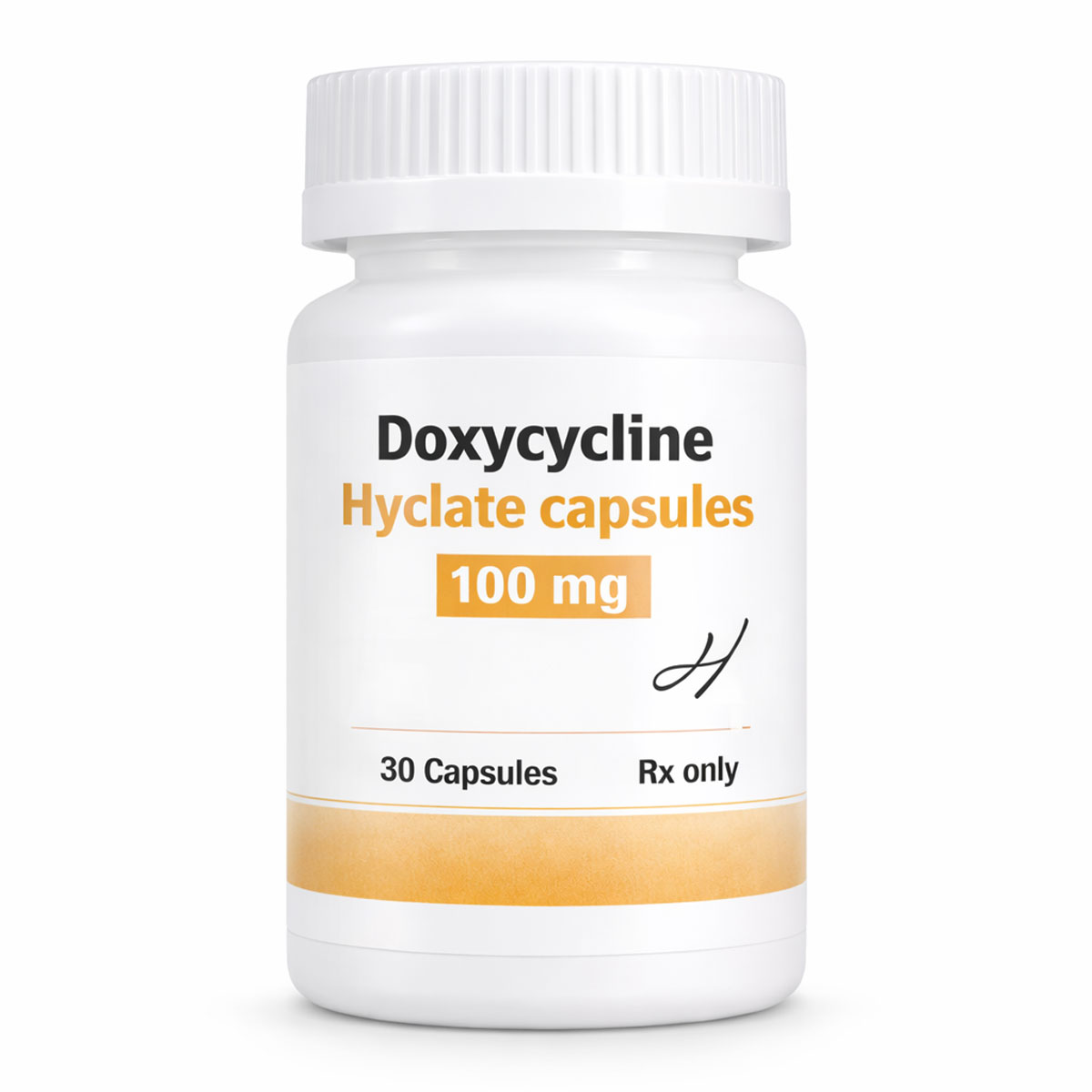 Doxycycline is a broad-spectrum tetracycline antibiotic with antimicrobial and anti-inflammatory properties. Unlike medications that act solely by suppressing immune responses, Doxycycline works by inhibiting bacterial protein synthesis and modulating inflammatory pathways, making it effective in both infectious and inflammatory conditions. It is used in a wide range of clinical settings, including respiratory and skin infections, sexually transmitted infections, and certain chronic inflammatory disorders. In ophthalmology, Doxycycline is commonly prescribed for blepharitis, meibomian gland dysfunction, ocular rosacea, and chronic eyelid inflammation, where its anti-inflammatory and lipid-regulating effects help improve tear film stability and reduce recurrent symptoms.
Mechanism of Action
- Inhibition of Bacterial Protein Synthesis: Doxycycline binds to the 30S ribosomal subunit of susceptible bacteria, blocking the attachment of transfer RNA and preventing protein synthesis. This action inhibits bacterial growth and replication.
- Anti-Inflammatory Properties: Beyond its antimicrobial activity, Doxycycline reduces the production of pro-inflammatory cytokines and inhibits matrix metalloproteinases (MMPs), enzymes involved in tissue breakdown and chronic inflammation.
- Modulation of Meibomian Gland Function: In ophthalmic conditions such as meibomian gland dysfunction and ocular rosacea, Doxycycline helps normalize lipid secretion, improve tear film stability, and decrease inflammatory changes along the eyelid margin.
- Systemic and Sustained Effect: As an oral medication with good tissue penetration, Doxycycline provides consistent therapeutic levels in skin, respiratory tissues, and periocular structures, supporting both infectious and inflammatory control.
By combining antimicrobial action with targeted anti-inflammatory effects, Doxycycline plays an important role in managing both systemic infections and chronic inflammatory conditions, including those affecting the eyelids and ocular surface.
What Conditions Does Doxycycline Treat
Doxycycline is prescribed for a broad range of bacterial infections and inflammatory disorders. In addition to its antimicrobial activity, it exhibits anti-inflammatory properties that make it useful in chronic inflammatory conditions. By inhibiting bacterial growth and modulating inflammatory pathways, Doxycycline supports effective management of both acute infections and long-standing inflammatory diseases.
Ophthalmic and Eyelid Conditions
Doxycycline plays an important role in managing chronic inflammatory disorders affecting the eyelids and ocular surface, where bacterial colonization and gland dysfunction contribute to persistent symptoms.
- Blepharitis – It reduces bacterial load and suppresses inflammatory mediators along the eyelid margins, helping decrease redness, irritation, and crusting.
- Meibomian Gland Dysfunction – Doxycycline improves the quality of meibomian gland secretions, supporting tear film stability and reducing evaporative dry eye symptoms.
- Ocular Rosacea – Its anti-inflammatory and anti-collagenase effects help control eyelid inflammation and recurrent irritation associated with rosacea.
- Chronic Eyelid Inflammation – Low-dose regimens are often used to manage long-term inflammatory changes and reduce recurrence.
Respiratory and Systemic Infections
Doxycycline is widely used in the treatment of infections caused by susceptible bacteria.
- Respiratory Tract Infections – It is effective in community-acquired pneumonia, bronchitis, and sinusitis caused by atypical or common respiratory pathogens.
- Sexually Transmitted Infections – Doxycycline is commonly prescribed for infections such as chlamydia and as part of combination regimens for other bacterial STIs.
- Tick-Borne Diseases – It is a first-line treatment for conditions such as Lyme disease and other rickettsial infections.
- Skin and Soft Tissue Infections – Doxycycline is used in acne and certain bacterial skin infections due to both antimicrobial and anti-inflammatory effects.
Dermatologic and Chronic Inflammatory Conditions
- Acne Vulgaris – It reduces Cutibacterium acnes colonization and decreases inflammatory lesion formation.
- Rosacea – Sub-antimicrobial dosing helps control inflammatory lesions and facial redness.
- Periodontal Disease – Doxycycline may be used as adjunctive therapy due to its inhibition of matrix metalloproteinases involved in tissue destruction.
Through its combined antimicrobial and anti-inflammatory actions, Doxycycline remains a versatile option in both infectious disease management and chronic inflammatory conditions, including those affecting the ocular surface and eyelids.
How to Use
Proper use of Doxycycline supports effective infection control and modulation of chronic inflammation. Dosage and duration depend on the underlying condition, severity of symptoms, and clinical response.
Dosage and Administration
- Individualized Dosing: Doxycycline is prescribed in different dosing regimens depending on whether it is used for acute infection or chronic inflammatory conditions. Standard antimicrobial doses are typically higher, while sub-antimicrobial doses may be used for long-term inflammatory control.
- Once- or Twice-Daily Administration: The medication is usually taken once or twice daily, depending on the indication. Maintaining consistent timing improves therapeutic effectiveness.
- Oral Administration Guidelines: Capsules or tablets should be taken with a full glass of water and patients should remain upright for at least 30 minutes after dosing to reduce the risk of esophageal irritation.
- With or Without Food: Doxycycline may be taken with food to minimize gastrointestinal discomfort, although absorption may be slightly reduced with certain dairy products.
- Completing the Course: For infectious conditions, the full prescribed course should be completed to reduce the risk of recurrence or antibiotic resistance.
Consistent adherence to the prescribed regimen supports optimal therapeutic outcomes while reducing the likelihood of complications.
Use in Ophthalmic Conditions
In ophthalmology, Doxycycline is commonly prescribed in lower, anti-inflammatory doses for chronic eyelid and ocular surface disorders. Treatment duration may extend over several weeks or months depending on clinical response.
- Blepharitis and Meibomian Gland Dysfunction: Low-dose regimens help improve meibomian gland secretion quality and reduce eyelid margin inflammation.
- Ocular Rosacea: Anti-inflammatory dosing supports reduction of chronic redness, irritation, and recurrent flare-ups.
- Chronic Eyelid Inflammation: Extended therapy may be required to stabilize symptoms and reduce recurrence frequency.
- Combination Therapy: Doxycycline may be used alongside eyelid hygiene measures, lubricating eye drops, or topical medications to enhance overall treatment effectiveness.
Structured dosing and appropriate treatment duration help achieve sustained control of eyelid and ocular surface inflammation.
What to Know Before Starting Doxycycline
Before initiating treatment with Doxycycline, several factors should be reviewed to ensure appropriate use and to minimize the risk of adverse reactions. Although generally well tolerated, it requires consideration of individual health status and potential drug interactions.
Key Considerations
- Allergy to Tetracyclines: Patients with a known hypersensitivity to doxycycline or other tetracycline antibiotics should not use this medication.
- Pregnancy and Pediatric Use: Doxycycline is generally avoided during pregnancy and in children under 8 years of age due to the risk of tooth discoloration and effects on bone development.
- Photosensitivity: The medication may increase sensitivity to sunlight, leading to a higher risk of sunburn. Protective measures such as sunscreen and limiting sun exposure are recommended.
- Gastrointestinal Sensitivity: Esophageal irritation or discomfort may occur. Taking the medication with sufficient water and remaining upright after dosing helps reduce this risk.
- Drug Interactions: Antacids, iron supplements, and calcium-containing products may reduce absorption. Spacing doses appropriately can help maintain effectiveness.
- Long-Term Use in Ophthalmology: When prescribed for chronic eyelid or ocular surface inflammation, extended low-dose therapy may require periodic assessment to evaluate response and tolerability.
Reviewing medical history, concurrent medications, and lifestyle factors supports safe and effective use of Doxycycline in both infectious and inflammatory conditions.
Possible Side Effects
Doxycycline is generally well tolerated, but like all antibiotics, it may cause side effects. The frequency and intensity depend on dosage, treatment duration, and individual sensitivity.
Common Side Effects
- Gastrointestinal Discomfort – Nausea, abdominal pain, diarrhea, or indigestion may occur, particularly at higher doses.
- Photosensitivity – Increased sensitivity to sunlight can lead to sunburn more easily than usual.
- Esophageal Irritation – Taking the medication without adequate water or lying down soon after dosing may cause throat discomfort or irritation.
- Mild Skin Reactions – Rash or itching may develop in some individuals.
Less Common Side Effects
- Headache – Some patients report mild to moderate headaches during therapy.
- Changes in Vaginal or Oral Flora – Antibiotic therapy may increase the risk of yeast infections due to alteration of normal microbial balance.
- Tooth Discoloration – Prolonged use during tooth development may cause permanent discoloration, which is why use is limited in young children.
- Liver Enzyme Elevations – Rarely, mild and reversible increases in liver enzymes may occur.
Rare but Serious Side Effects
- Severe Allergic Reactions – Swelling, difficulty breathing, or severe rash require immediate medical attention.
- Intracranial Hypertension – Rare cases of increased intracranial pressure have been reported, presenting with persistent headache or visual disturbances.
- Severe Skin Reactions – Very rare but serious dermatologic reactions may occur.
Ophthalmic Considerations
When used for chronic eyelid inflammation, blepharitis, or meibomian gland dysfunction, Doxycycline is often prescribed in lower anti-inflammatory doses, which are generally associated with improved tolerability compared to full antimicrobial dosing.
Managing Side Effects
Taking Doxycycline with adequate water, limiting sun exposure, and adhering to the prescribed dosing schedule can help reduce common adverse effects. Reporting persistent gastrointestinal symptoms, severe headaches, or skin reactions allows timely evaluation and adjustment of therapy.
How Long Does It Take for Doxycycline to Work?
Doxycycline begins exerting its antibacterial effect soon after the first dose, but the timeline for noticeable improvement varies depending on the condition being treated and the severity of inflammation or infection.
Onset and Duration of Action
- Initial Response in Infections: In bacterial infections, symptom improvement is often observed within 24 to 48 hours, although the full prescribed course should be completed to ensure adequate eradication.
- Anti-Inflammatory Effect: In chronic inflammatory conditions such as acne, rosacea, or eyelid inflammation, clinical improvement may develop gradually over several days to a few weeks.
- Ophthalmic Conditions: In blepharitis, meibomian gland dysfunction, or ocular rosacea, reduction of eyelid inflammation and improvement in tear film stability typically occur over several weeks of consistent low-dose therapy.
- Effect After Discontinuation: Antibacterial activity diminishes after the medication is stopped, and in chronic inflammatory conditions, symptoms may gradually recur if underlying factors persist.
Early antimicrobial action combined with progressive anti-inflammatory effects makes Doxycycline suitable for both acute infections and long-term inflammatory control.
How to Choose the Right Treatment Option with Doxycycline
Treatment decisions involving Doxycycline depend on whether the primary goal is infection control, inflammation modulation, or both. Dose, duration, and combination strategy are tailored to the specific diagnosis and clinical response.
Monotherapy vs. Combination Therapy
- Monotherapy for Bacterial Infections: Doxycycline is often used alone for susceptible respiratory, skin, or tick-borne infections.
- Low-Dose Anti-Inflammatory Therapy: In chronic inflammatory disorders such as rosacea or eyelid disease, sub-antimicrobial dosing may be sufficient to control inflammation without targeting active infection.
- Combination with Topical Treatments: In dermatologic and ophthalmic conditions, Doxycycline is frequently combined with topical medications, eyelid hygiene measures, or lubricating eye drops to enhance therapeutic outcomes.
- Adjunctive Therapy in Complex Infections: For certain infections, Doxycycline may be included as part of combination antibiotic regimens to broaden coverage or address resistant organisms.
- Duration-Based Strategy: Short courses are typical for acute infections, while extended low-dose regimens may be used in chronic inflammatory conditions affecting the skin or eyelids.
Individualized selection of dose and treatment duration allows Doxycycline to be effectively integrated into both infectious disease management and long-term inflammatory care, including ocular surface disorders.
FAQ
Doxycycline may interact with antacids, iron supplements, calcium-containing products, anticoagulants, and certain antibiotics. These interactions can affect absorption or therapeutic response, so spacing doses or adjusting therapy may be necessary.
Doxycycline should be stored at room temperature, protected from moisture and direct sunlight. It should remain in its original packaging and be kept out of reach of children.
For bacterial infections, the full prescribed course should be completed even if symptoms improve, as stopping early may contribute to recurrence or resistance. In chronic inflammatory conditions, treatment duration is determined individually based on clinical response.
Doxycycline is generally avoided during pregnancy and in young children due to potential effects on tooth and bone development. Its use during breastfeeding is assessed individually, considering potential risks and benefits.
Yes. Doxycycline is commonly prescribed in ophthalmic practice for blepharitis, meibomian gland dysfunction, ocular rosacea, and chronic eyelid inflammation. In these conditions, lower anti-inflammatory doses are often used to improve gland function and reduce recurrent irritation.
Doxycycline is an oral tetracycline antibiotic that is also widely used in ophthalmology for its anti-inflammatory properties. In addition to controlling bacterial growth, it modulates inflammatory pathways and improves glandular function along the eyelid margin.
In patients with blepharitis, meibomian gland dysfunction, ocular rosacea, or chronic eyelid inflammation, Doxycycline helps reduce redness, irritation, and gland obstruction. By improving tear film stability and decreasing recurrent inflammatory activity, it supports long-term ocular surface health and symptom control.